The answer is the starting point
A short answer is saved together with the task, concept, source and learning context.
 Princip Pedagogik Feedback
 From everyday work to visible development
Short answers from textbook work, homework, diagnostics and classroom tasks are connected to subject understanding, possible misconceptions, learning abilities, support and a new opportunity to show understanding.
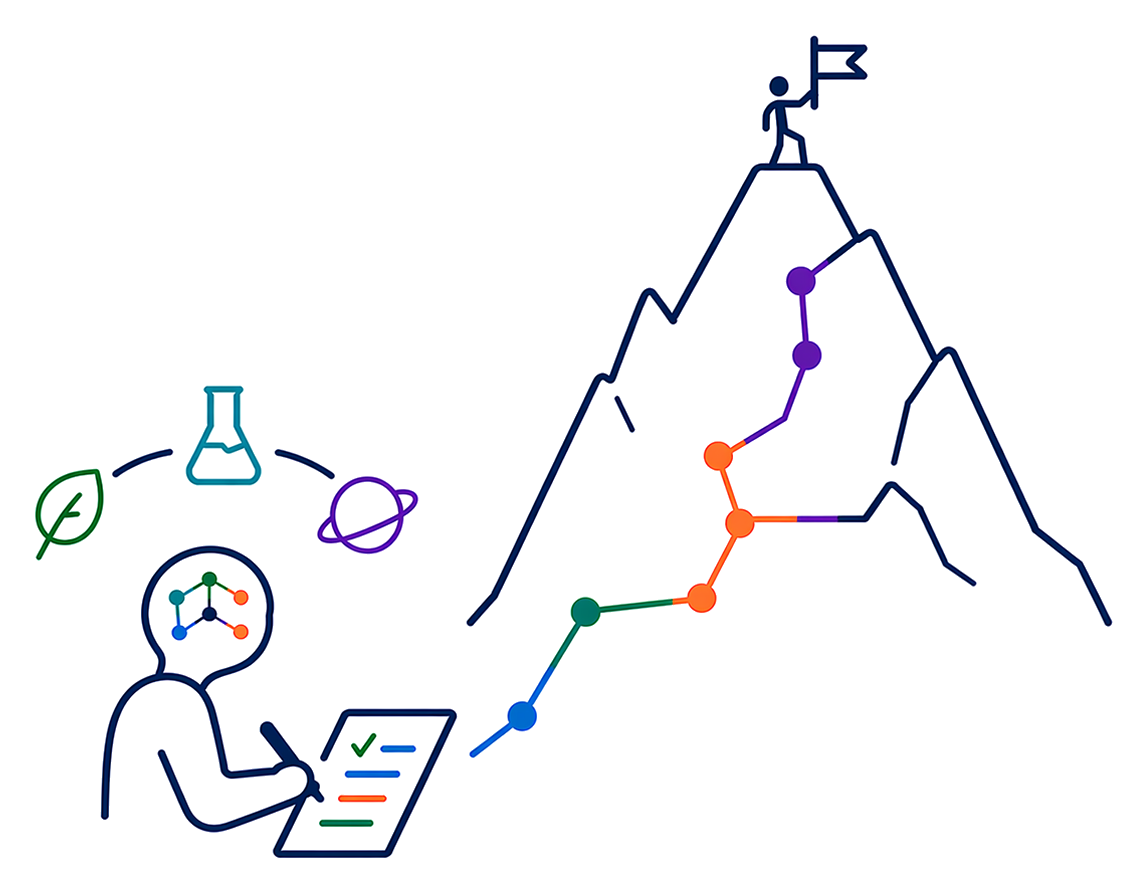
The chain stays close to teaching: answer, pattern, decision and follow-up.
Answer
Pattern
Teaching decision
New attempt
What this means
A short answer is saved together with the task, concept, source and learning context.
The teacher sees whether several pupils need the same concept, model, explanation or study strategy.
New answers show whether the support has made understanding stronger.
The learning chain
The work starts in the textbook, homework, diagnostics or a short classroom task.
Answers are connected to concepts, explanations, learning abilities and possible misconceptions.
The teacher chooses explanation, repetition, support group, book section or a new question.
A later answer shows whether the support has strengthened knowledge and learning.
Shared direction
Knowledge, learning abilities and study techniques are shown as something that can develop over time.
Knowledge, learning abilities and study techniques are shown as something that can develop over time.
Class patterns and individual traces help the teacher choose repetition, support and the next task.
Class patterns and individual traces help the teacher choose repetition, support and the next task.
The home gets concrete questions and strategies linked to what the child is trying to understand.
The home gets concrete questions and strategies linked to what the child is trying to understand.
Important guardrail
Princip Pedagogik makes development visible from everyday work. The teacher still chooses the teaching, interprets the situation and decides what the class and individual pupils need next.